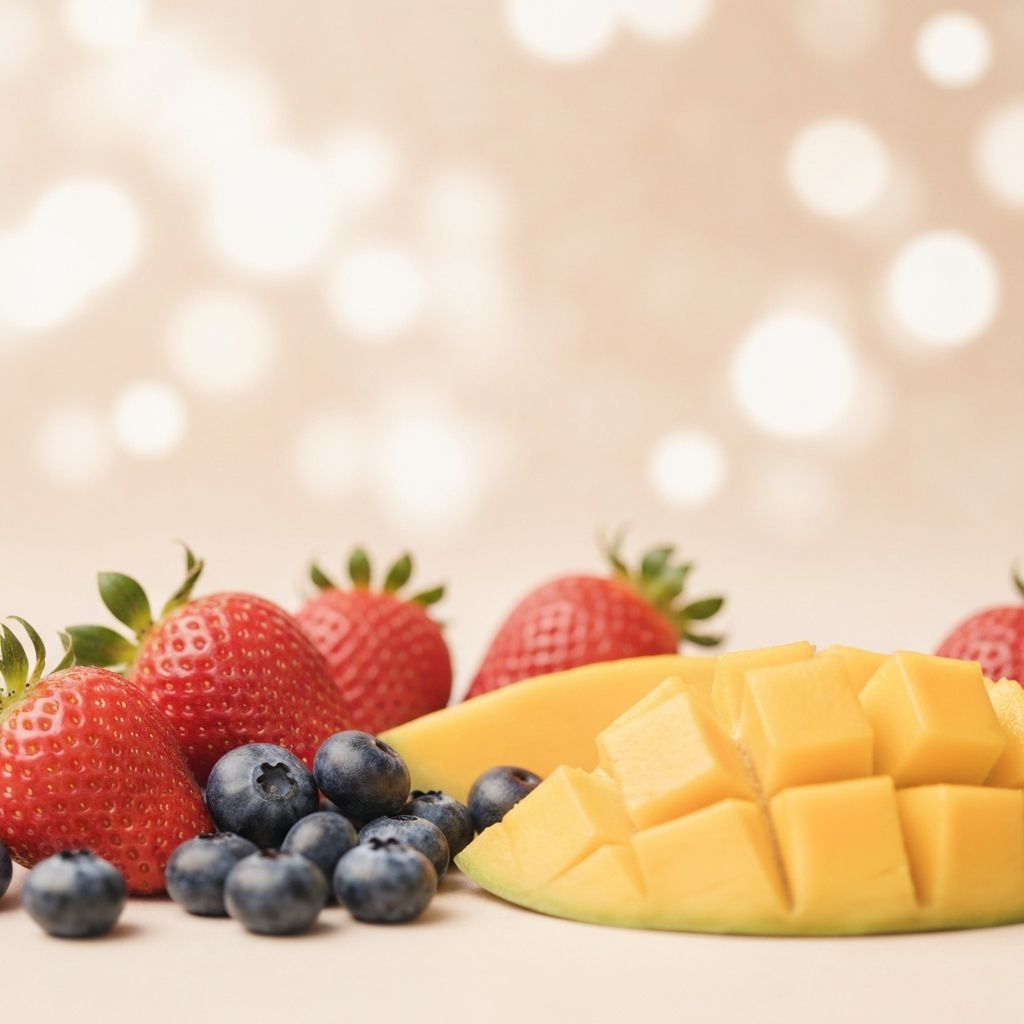
Sensory cues represent some of the most immediate and powerful triggers for automatic eating responses. The visual presence of food—its visibility, proximity, and salience in the environment—activates anticipatory brain responses even before tasting.
Olfactory cues (smell) are particularly potent in triggering eating behaviors. The aroma of cooking or the scent of foods can activate wanting and approach behaviors independent of hunger states. These responses appear to be relatively automatic, bypassing deliberative processing.
Research demonstrates that sensory cues activate neural reward regions even in the absence of consumption. The brain begins to anticipate the rewarding experience upon encountering familiar food-related sensory signals. Over time, through repeated association, these sensory cues become powerful automatic triggers.